Turn Everyday Containers into Safer, Smarter Creations
What Your Bottles Are Telling You
Read the Numbers Without Guesswork
See, Touch, and Bend
Float and Cap Clues
Kitchen-Safe Prep That Protects You
Safe Cleaning Routine
Empty completely, then soak with warm, soapy water to loosen sugars, oils, and lingering scents. Use a bottle brush for shoulders and threads, rinse repeatedly, and favor oxygen-based cleaners over chlorine. Dry fully to discourage mold. For stubborn odors, try a baking soda overnight slurry. Document containers that once held chemicals, and keep them for non-contact projects only.
Tools and Workspace
Gather gloves, eye protection, a cutting mat, and a dedicated utility knife with fresh blades. Keep a separate bin for offcuts, and sweep often to capture sharp PET confetti. Avoid working where you prepare meals. Store blades out of reach of kids and pets. Good lighting reduces slips, and a small fan helps move vapors away during adhesive work.
From Label to Clean, Smooth Surface

Smart Cutting, Shaping, and Joining
Smooth Edges, Safer Hands
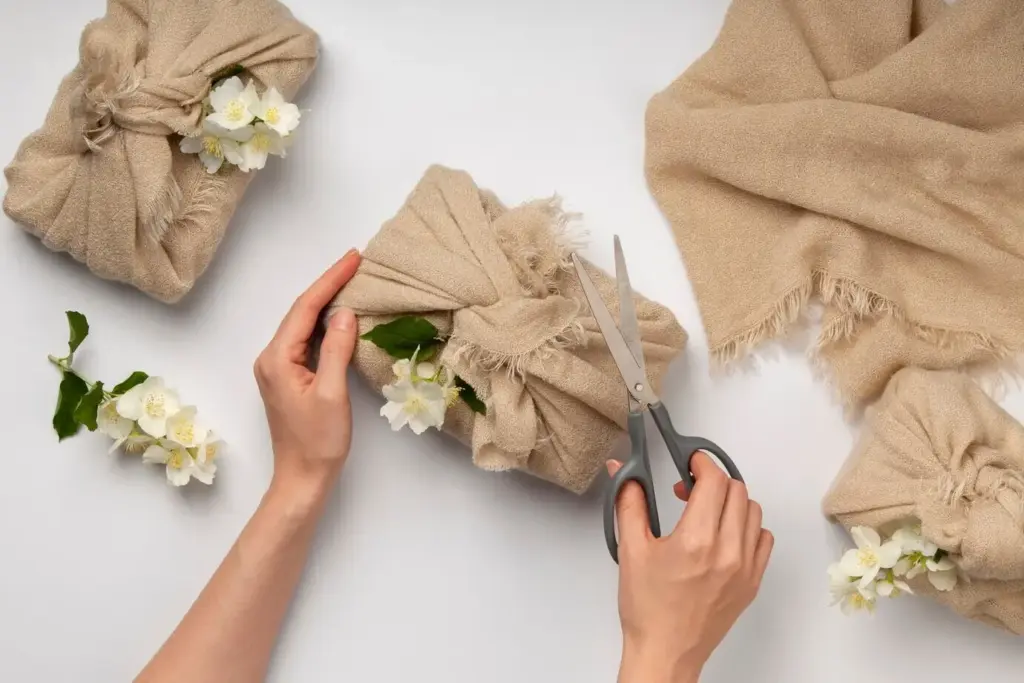
Score thin walls gently and snap along a ruler, or use heavy shears for thicker sections. Deburr with fine sandpaper, pulling away from fingers. PET edges can be razor-like; tame them before handling. Skip flame-polishing, which releases fumes. A simple sanding block, steady posture, and breaks for stretching reduce slips, strain, and those tiny, maddening nicks that bleed.
Forming Without Fumes
Heat changes everything, so keep it modest and measured. Warm pieces gradually and uniformly, using hot water baths or a carefully distanced heat gun outdoors. PET distorts quickly; HDPE and PP are more tolerant. Work with respirators when anything smells. Wooden forms and clamps guide curves gently. If smoke appears, stop immediately, ventilate, and start again at lower temperatures.
Fast, Firm Connections
Mechanical solutions shine here: screws with washers, pop rivets, and zip ties make dependable bonds without mysterious chemistry. For PE and PP, use specialty structural adhesives with surface primers, or practice plastic welding carefully. Pre-drill holes to avoid cracks, and support pieces underneath. Cured joints get stronger with time; resist impatient testing, and your builds will repay patience.
Sorting, Storage, and Contamination Control
Color and Clarity Matter
Pigments and opacifiers change performance and aesthetics. Group clear PET for lighting experiments, reserve natural HDPE for structural parts, and keep dyed PP for playful accents. Remember that black packaging can hide mixed resins; mark it for testing only. Clarity influences translucence in lanterns, while opacity blocks algae in planters, proving organization pays off in both beauty and function.
Keep It Clean, Keep It Separate
Pigments and opacifiers change performance and aesthetics. Group clear PET for lighting experiments, reserve natural HDPE for structural parts, and keep dyed PP for playful accents. Remember that black packaging can hide mixed resins; mark it for testing only. Clarity influences translucence in lanterns, while opacity blocks algae in planters, proving organization pays off in both beauty and function.
Traceability for Future You
Pigments and opacifiers change performance and aesthetics. Group clear PET for lighting experiments, reserve natural HDPE for structural parts, and keep dyed PP for playful accents. Remember that black packaging can hide mixed resins; mark it for testing only. Clarity influences translucence in lanterns, while opacity blocks algae in planters, proving organization pays off in both beauty and function.
Quick Wins to Build Momentum
Cut handy garden scoops from sturdy jugs, create seedling cups with drainage from clear bottles, or punch holes to stitch flexible organizers from takeaway lids. Keep fingers away from blades, and label everything not for food. Simple successes encourage patience for slower techniques, while your scrap pile shrinks into a colorful, useful library of future possibilities.
Advanced Experiments to Try Carefully
Fuse fully cleaned HDPE into small boards using controlled temperatures in a well-ventilated, outdoor setup, then shape with woodworking tools. Try weaving PET strips into baskets, or explore PP living hinges for compact boxes. Wear respirators, follow temperature guides, and work slowly. Document everything, because repeatable settings today become tomorrow’s trusted recipes, shared generously with curious newcomers.
Share, Learn, and Celebrate
Post your progress, ask hard questions, and teach one tiny trick you discovered this week. Celebrate cautious wins like cleaner edges or faster sorting. Join local meetups to exchange offcuts. When mistakes happen, tell the story kindly, so someone else avoids it. Subscribe for new guides, reply with requests, and help build a safer, creative circle worldwide.

All Rights Reserved.