Turn Everyday Plastics into Lasting Beauty
Know Your Plastics and Stay Safe
Decoding Resin Numbers for Smarter Projects
Flip containers to find resin codes: 1 is PET for clear bottles, 2 is HDPE for sturdy jugs, 3 is PVC to avoid heating, 4 is flexible LDPE, 5 is PP for food tubs, 6 is PS and can be brittle, 7 is mixed. Sorting ensures consistent behavior, better bonding, safer temperature choices, and fewer surprises when cutting, sanding, or painting components into dependable, durable designs.
Preparing Containers: Clean, Remove, and Prime
Residue weakens adhesion and finish quality, so soak labels in warm water, apply citrus-based solvent for stubborn glue, and degrease with mild soap. Dry thoroughly, then scuff with 220–320 grit sandpaper to create tooth. For glossy surfaces, use a plastic adhesion promoter before painting or gluing. Careful preparation dramatically increases durability, prevents peeling or delamination, and makes handmade pieces look intentionally crafted rather than improvised.
Cutting and Heating with Care and Confidence
Score-and-snap works on flat PET panels, while sharp shears handle curved HDPE. Use a utility knife with fresh blades, cutting away from your body and clamping workpieces securely. If heat-forming, choose a low, controlled setting, maintain distance, and ventilate generously. Avoid heating PVC to prevent harmful fumes. Keep water nearby for quick cooling, file edges smooth, and protect fingers with lightweight gloves to maintain both precision and comfort.

Cutting, Shaping, and Scoring for Clean Edges
Bonding Without Fail: Glues, Rivets, and Reinforcement
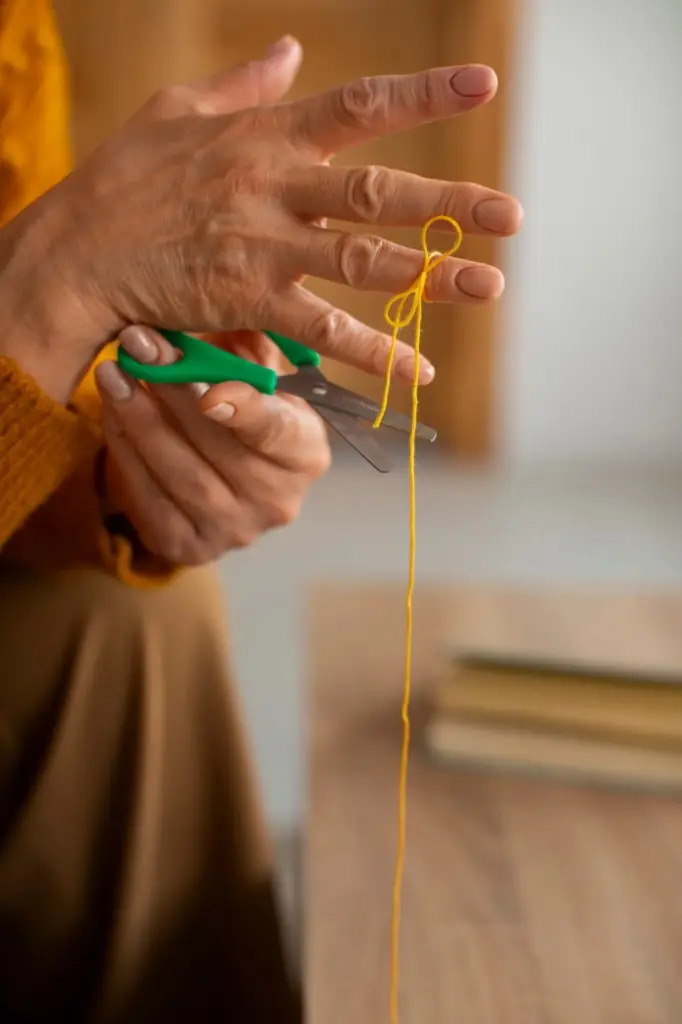
Declutter with Reinvented Containers
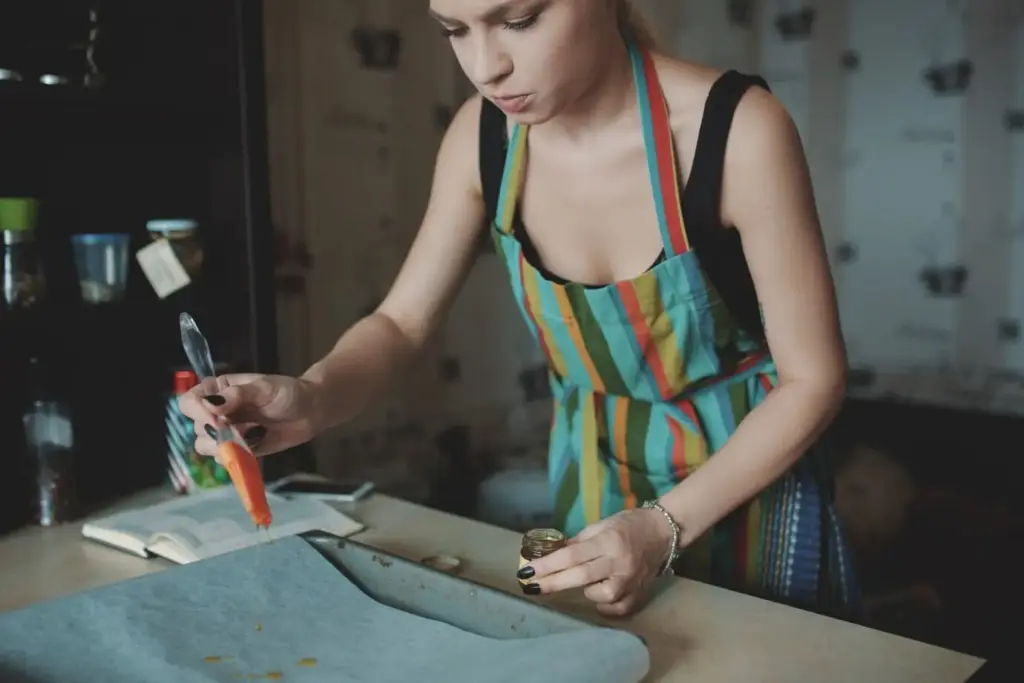
Self-Watering Planters with Reliable Wicking
Bird Feeders and Pollinator Buffets from Bottles
Learning, Play, and Community Impact
{{SECTION_SUBTITLE}}
Family Craft Night that Sparks Lasting Curiosity
School Workshop with Real-World Science and Art
Color, Texture, and Finishing Touches

All Rights Reserved.