
Small Hands, Big Wonders: Reusing Bottles and Containers in Class

Today we’re diving into kid-friendly classroom projects that creatively reuse plastic bottles and food containers, turning everyday packaging into art, science, and practical classroom tools. You’ll find imaginative ideas, safety tips, and ways to connect learning with environmental stewardship. Expect joyful messes, curious questions, and proud smiles as students measure, design, build, and reflect. Gather a clean bin, invite families to contribute, and let curiosity guide every cut, brushstroke, and experiment. Share your class’s favorite upcycle in the comments, send photos of triumphs and bloopers, and subscribe for fresh, classroom-tested ideas delivered with kindness and joy.

Wash, Remove, Smooth

Rinse containers with warm, soapy water, then air-dry upside down to prevent odors and mold. Peel labels to increase paint adhesion, using a dab of cooking oil on stubborn glue. Inspect rims and cut edges; cover with tape or sand gently. Model patience, invite students to assist, and turn preparation into a calming, purposeful start.

Tools Kids Can Use Confidently

Choose blunt-tip scissors, child-safe craft knives for adults only, masking tape, non-toxic acrylics, and water-based markers. Keep a small first-aid kit nearby and teach safe passing rules. Provide trays for parts, use recycled newspapers as drop cloths, and practice tidy-up signals. Repetition builds independence, responsibility, and shared trust during every hands-on moment.

Community Collection That Actually Works

Send a cheerful note home explaining accepted items, rinsing expectations, and allergy considerations. Place labeled bins near the door, weigh weekly donations for a mini math moment, and sort by transparency, size, and lid type. Celebrate milestones with shout-outs, gratitude postcards, and a photo board showing transformed creations returning value to your community.

Playful Art: From Packaging to Characters and Gardens

Spark imagination by inviting students to see faces, habitats, and patterns hidden in curves and lids. Lightweight containers accept paint, paper, and fabric surprisingly well, opening space for expressive choices aligned with color theory and collage techniques. As projects bloom into characters and gardens, include storytelling, measurement, and care routines that extend creativity into daily classroom life.

Balloon-Powered Bottle Cars

Turn bottles into chassis, skewers into axles, and caps into wheels. Measure travel distance under different balloon sizes, surface textures, and wheel alignments. Record trials, graph results, and discuss friction. Invite pit-crew roles to streamline resets. Celebrate iterative improvements as students discover that tiny alignment tweaks can unlock surprisingly longer rides.

Clamshell Seed Sprouters

Repurpose clear takeout clamshells with damp paper towels to watch roots and shoots unfold day by day. Label variables like light, warmth, or seed spacing. Photograph progress, annotate observations, and predict next stages. Link capillary action to watering techniques, and compare germination rates while practicing gentle handling and gratitude for edible miracles.

Two-Liter Rain Gauges

Cut and invert the top to create a funnel, add measurement markings, and weigh stones to stabilize. Place outside safely, check daily totals, and convert millimeters to centimeters and decimals. Students notice patterns, discuss weather systems, and create morning announcements sharing precipitation insights that shape recess plans and storytelling prompts.

Language and Story: Props That Inspire Voices

When recycled creations become characters and settings, reluctant speakers suddenly lean in. Build quick puppets, prompt jars, and sound makers to animate vocabulary and narrative structure. Encourage dialogue tags, descriptive detail, and audience awareness. This playful approach strengthens literacy while honoring varied expression styles and expanding confidence across the circle.

Spoon and Lid Puppets

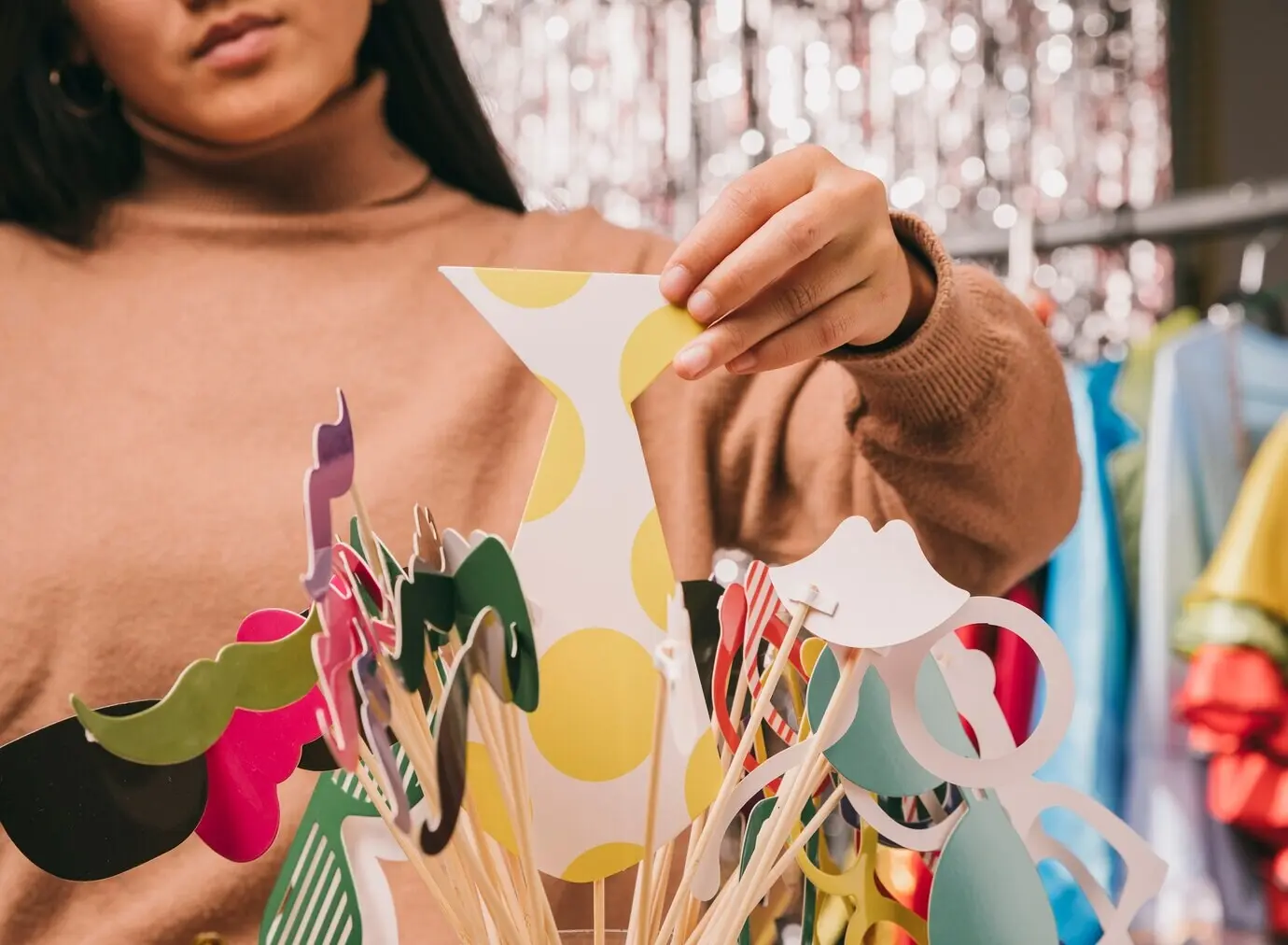
Glue felt, buttons, and yarn onto plastic spoons and wide lids to craft expressive faces. Students rehearse greetings, emotions, and short monologues, then co-create playground conflict resolutions. Record performances, add reflective captions, and celebrate growth. Quiet storytellers often shine once a friendly prop carries part of the spotlight with them.

Story Tubes with Secret Starters

Roll imaginative prompts, slip them into cleaned snack tubes, and invite students to draw one before writing or drama time. Mix genres, include kindness missions, and reference classroom science. The tactile ritual lowers anxiety, fuels originality, and turns every reveal into a tiny ceremony that welcomes brave, imperfect first drafts.

Rhythm Shakers for Sound Play

Fill small containers with rice, beans, or pasta to explore loud and soft, fast and slow. Practice syllable claps, rhyme patterns, and mood music for characters. Compare materials by weight and timbre, then create a class soundtrack. Reflection notes connect sound choices, word choices, and feelings awakened by both.

Organize the Room: Storage, Calm, and Flow

Respectful reuse shines when systems help everyone find tools quickly and reset with ease. Transform jugs and tubs into caddies, calming stations, and mobile maker kits. Label with icons and bilingual words, rotate responsibilities, and celebrate invisible jobs. Smooth transitions protect learning time and strengthen a cooperative culture students genuinely own.

Marker and Pencil Caddies

Cut milk jugs into handled bins, sand edges, and sort supplies by color families. Add removable labels so students practice matching print and picture clues. Place caddies on table centers, establish quick restock routines, and appoint weekly stewards. Independence grows when everything has a predictable home within cheerful reach.
Glitter Calm Bottles

Combine water, clear glue, and sparkle inside sturdy bottles, sealing lids with hot glue or tape. Teach slow breathing while watching swirls settle, linking visuals to self-regulation language. Offer choice cards for breaks, and model returning to learning. Normalizing emotions builds safety, compassion, and practical strategies for busy brains.
Portable Maker Tubs

Fill yogurt containers with tape loops, cardboard bits, crayons, and reusable fasteners. Add mini checklists to encourage planning and cleanup. During centers, students carry kits to any corner, prototype quickly, and photograph creations next to name cards. Portability encourages flexible seating, equitable access, and spontaneous sparks that become polished showcases.
Real-World Impact: Caring Beyond the Classroom

These projects open conversations about plastic lifecycles, consumption choices, and community partnerships. Conduct gentle audits, write persuasive messages, and invite local experts. Celebrate progress without shame, focusing on practical actions children can sustain. Pride grows as students notice their creations replacing purchases, reducing waste, and inspiring families to try simple shifts.

Assess, Reflect, and Keep Momentum

Sustained creativity thrives with simple documentation and routines that value process as much as products. Use rubrics emphasizing collaboration, care, and improvement. Capture photos, quotes, and sketches. Plan reflection circles that honor every voice, then schedule next steps so energy, curiosity, and stewardship keep spiraling forward together.

Project Journals with Voice

Invite students to sketch, label parts, stamp dates, and add quick reflections answering what worked, what puzzled, and what changed. Include self-chosen photos and peer compliments. Journals evolve into treasured narratives proving growth, perseverance, and joy, which parents adore and students revisit when new challenges feel intimidating.

Kind, Useful Peer Feedback

Model short protocols using sentence stems like I noticed, I wonder, and Next time consider. Practice listening without interrupting, then choose one suggestion to test. This structure normalizes revision, reduces perfectionism, and builds empathy. Improvements become shared victories rather than solo rescues, strengthening community and craftsmanship together.

Digital Gallery with Consent

Photograph projects on neutral backdrops, add captions describing goals and discoveries, and share via a secure platform after permissions are confirmed. Invite families to comment with celebrations or memories. Over time, the gallery becomes living evidence of progress, curiosity, and collective care driving every playful experiment ahead.
Narimirazorikaro
Privacy Overview

This website uses cookies so that we can provide you with the best user experience possible. Cookie information is stored in your browser and performs functions such as recognising you when you return to our website and helping our team to understand which sections of the website you find most interesting and useful.